
Countertop guide
Granite vs. Quartz Countertops: Which Suits Your Kitchen?
The short answer
Granite is a natural stone with one-of-a-kind speckle and depth. It tolerates heat well but is porous, so it needs periodic sealing. Quartz is engineered, consistent and non-porous, so it never needs sealing, but it should be kept away from direct heat and is meant for indoor use. Both hold up to busy kitchens; the choice usually comes down to the look you want and how much upkeep you're happy with.
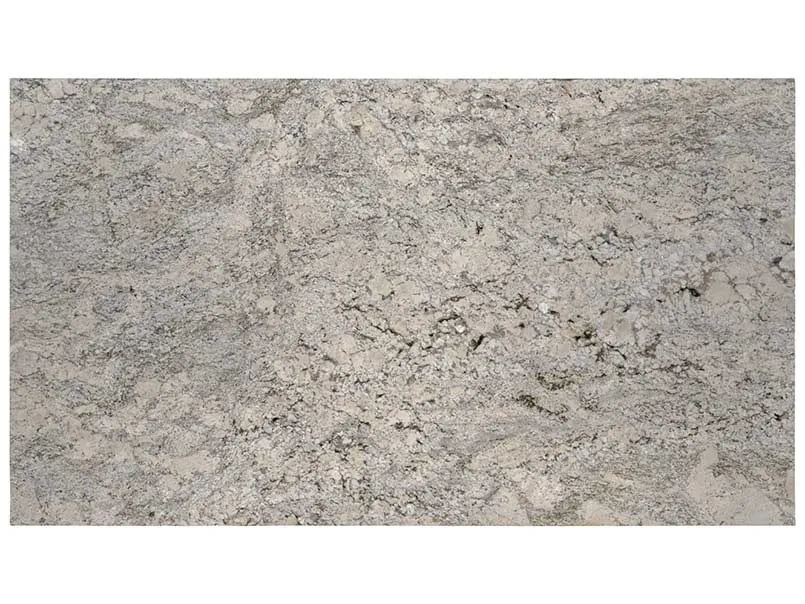 Manufacturer image · MSI
 Manufacturer image · NSR
Granite and quartz at a glance
| Feature | Granite | Quartz |
|---|---|---|
| Origin | Natural stone | Engineered slab |
| Pattern | Speckle and color that vary slab to slab | Consistent; easy to match across pieces |
| Sealing | Needed periodically | Never needed |
| Heat | Tolerates a hot pan; trivets still advised | Use trivets and hot pads |
| Outdoors | Many granites are used outside | Not recommended by MSI |
General characteristics. Care and suitability vary by product and slab, so check the supplier's guidance for yours.
The look
Granite brings natural crystal, speckle and depth, with finishes from polished to honed and leathered (MSI Surfaces). No two slabs are the same.
Quartz is designed. It comes in solid colors and in looks that echo marble, concrete or granite, and it repeats its pattern evenly, which helps when a layout needs more than one slab.
Heat and everyday cooking
MSI notes that an accidental hot pan won't damage or discolor granite, while still recommending trivets (MSI Surfaces). For its quartz, MSI asks for a trivet or hot pad every time and warns that sudden temperature changes near edges or cutouts can crack the slab (MSI Surfaces).
Stains, sealing and cleaning
Granite is porous. MSI recommends sealing natural stone after installation and every one to two years after that, depending on use (MSI Surfaces), and wiping up spills like wine, oil or tomato promptly.
Quartz is non-porous and doesn't need sealing; warm water and a mild cleaner handle daily cleaning (MSI Surfaces). Our stone care guide lists what to avoid on each.
Indoors and out
MSI does not recommend quartz for outdoor use (MSI Surfaces). Many granites are used outdoors, but check the supplier listing for your exact stone; we confirm suitability before we fabricate an outdoor counter.
How to decide
- You love natural variation and cook hot and fast: granite.
- You want a consistent look and no sealing: quartz.
- You want both: a granite or quartzite island with quartz perimeter counters is a common split.
FAQ
Common questions
Which is easier to keep clean, granite or quartz?
Quartz, slightly. It's non-porous, so a wipe with warm water and mild soap is enough. Sealed granite is also easy to clean, but spills should be wiped up sooner and the sealer needs renewing over time.
How can I tell when granite needs resealing?
A common check is a few drops of water on the stone. If the water beads up, the sealer is working; if it darkens the stone or soaks in, it's time to reseal.
Can granite and quartz be combined in one kitchen?
Yes. Using one material on the island and another on the perimeter is common. We template and fabricate both in-house so the heights and edges line up.
Sources
Material properties on this page come from these supplier and industry pages, checked November 1, 2026.
Free in-home estimate
Talk it through in your own kitchen.
We come to you, measure, and help you weigh the options. The estimate is free, with no obligation.